
Open pasture
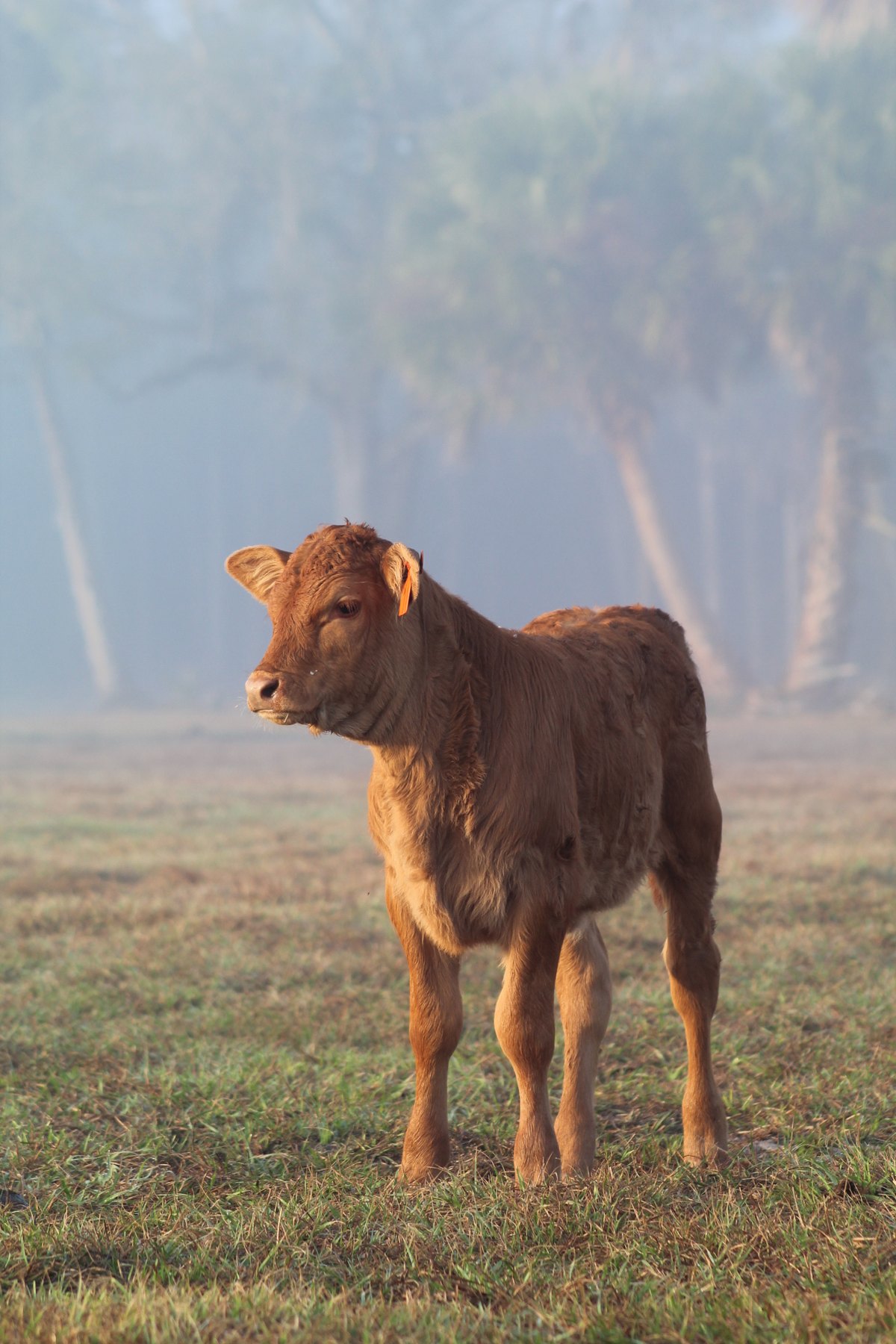
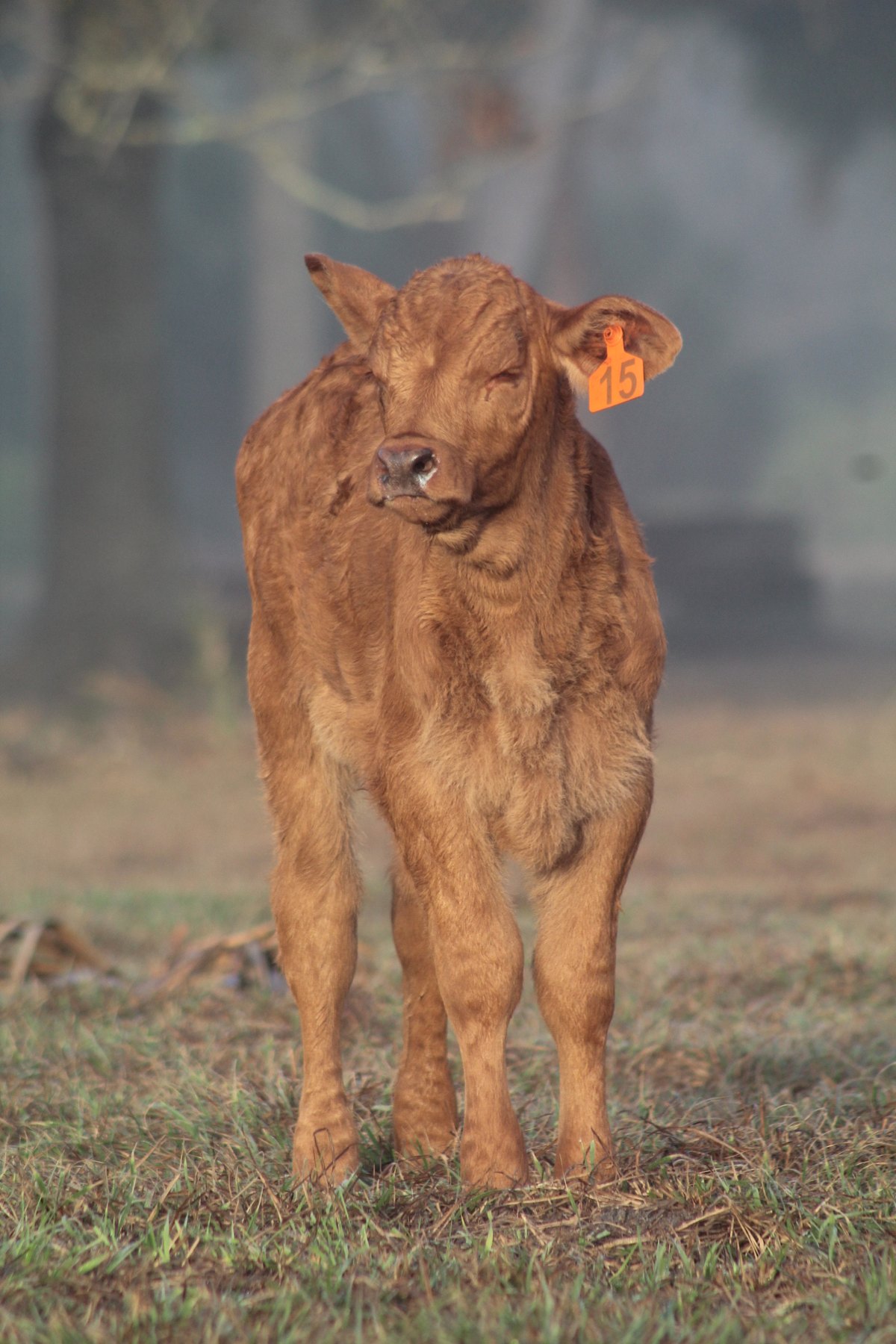
Our American Wagyu Akaushi steers are raised with room to roam — Florida grass underfoot, live oak shade, and no feedlot finish.
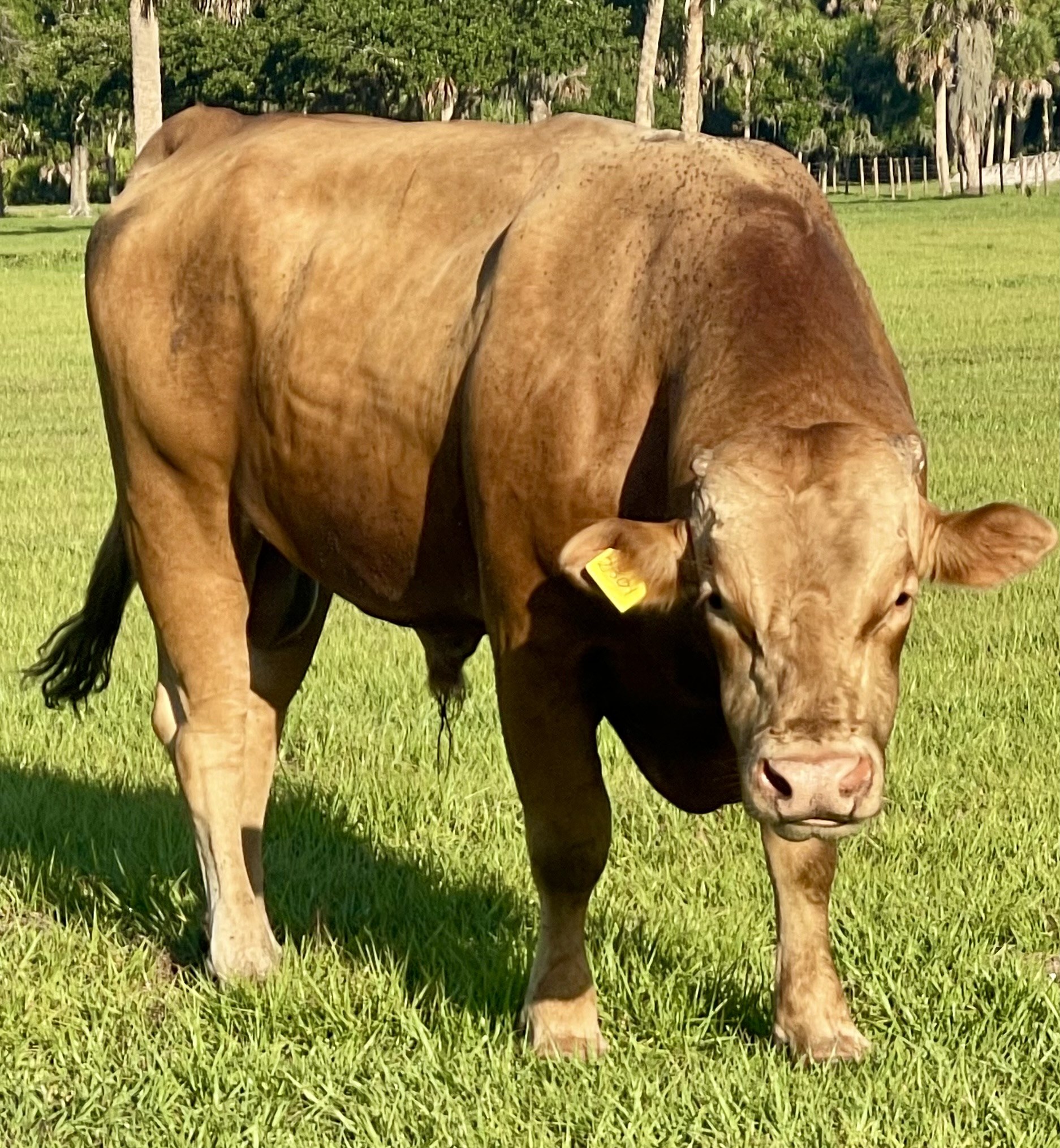
Okeechobee, Florida
The life they live is the flavor you taste.
Family-owned Akaushi cattle. American Wagyu, raised on open pasture — pasture to table, built right.
The ranch
Industrial cattle are moved off grass, onto a truck, onto a feedlot, and onto another truck before they ever become supper. Savin Ranch is the opposite of that map: a family-owned Akaushi herd in Okeechobee that stays on pasture from start to finish.
How industrial beef is made
01
Most calves start the way cattle should: on a cow-calf ranch, on pasture, on milk and forage. That part is honest.
02
At weaning they are sorted, run through a sale barn, and loaded. The next address is not a field. It is a lot — often hundreds of miles from the grass they knew.
03
Dirt underfoot, grain in the bunk, thousands of head in a pen. They are finished off pasture on purpose: cheap gain, fast turn, no land under them.
04
When the scale says they are ready, another truck. A packing plant in another county or another state. The animal is freight. The flavor is whatever survives the haul.
How we do it
Our steers are born here, graze here, drink from water this ranch already holds, and finish here. No sale barn. No feedlot alley. No second truck to a plant they have never seen. The miles they walk are between live oak shade and Bahia grass.
That is not a slogan. It is why the beef tastes like an animal that lived outside — mineral, clean, and slow — instead of something that spent its last months as freight. The life they live is the flavor you taste.
“Pasture to table. Built right.”
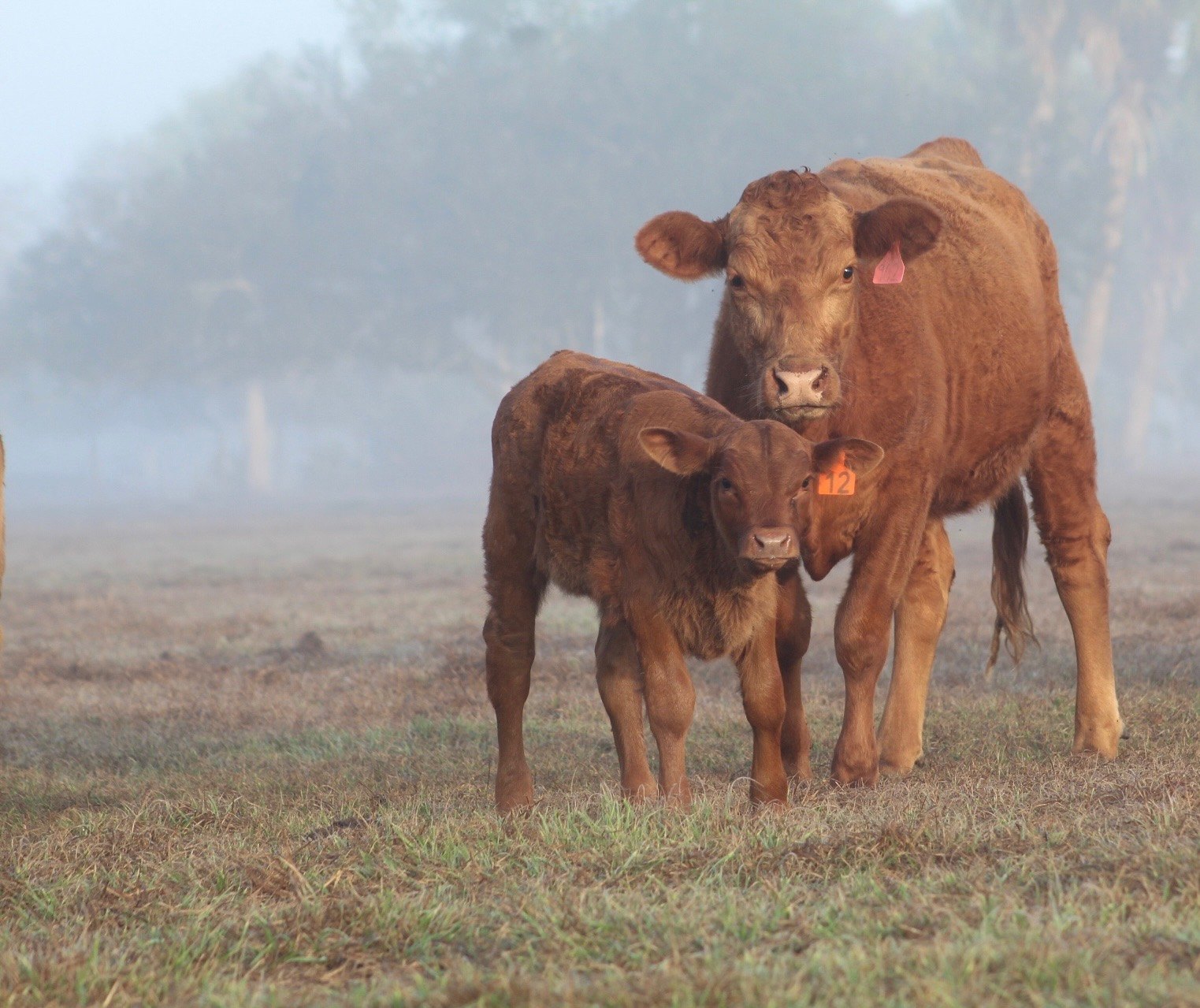
Cow and calf · they stay
The breed
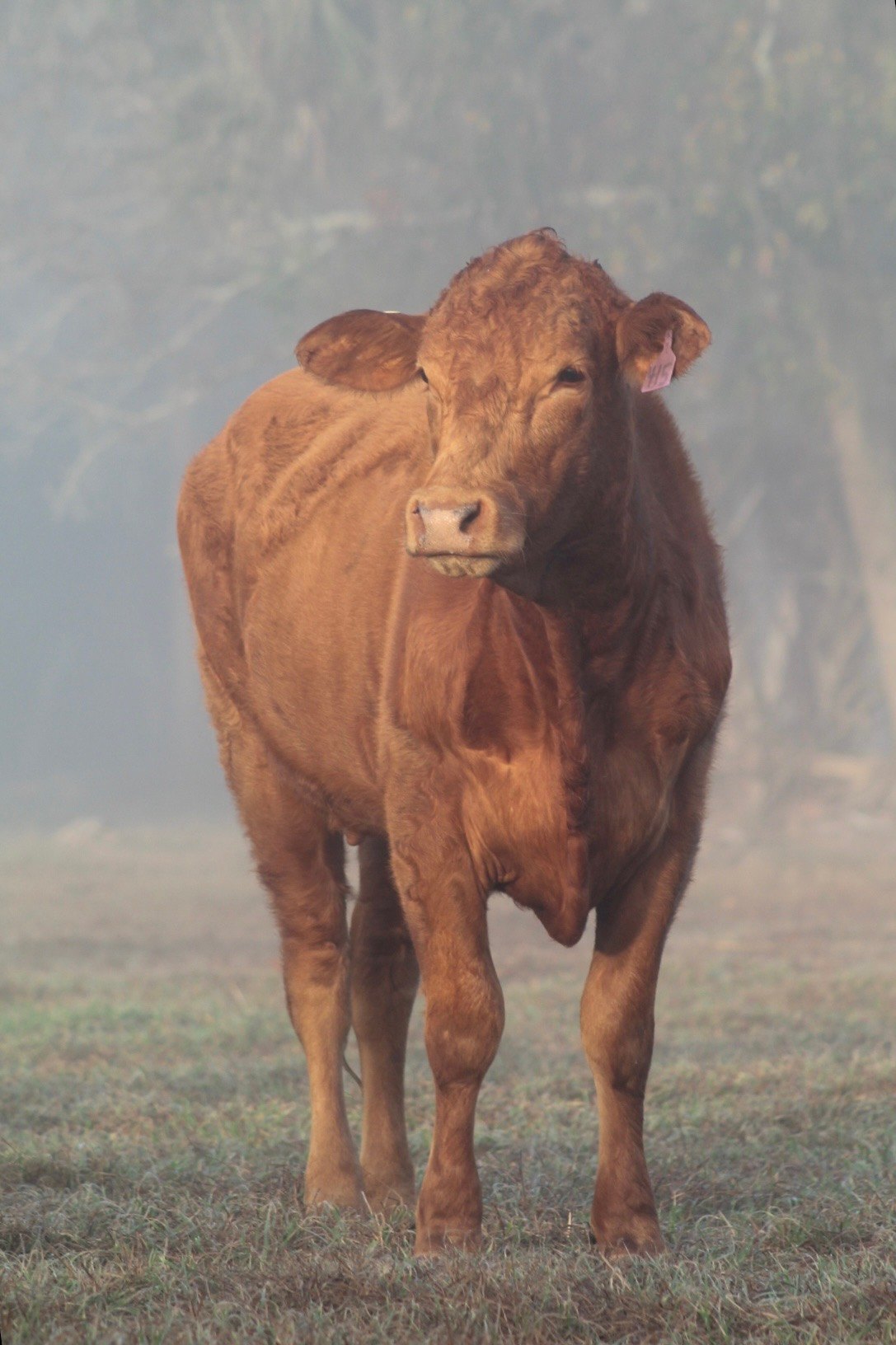
Japanese red Wagyu — the Emperor’s Breed. Distinct from black Wagyu in blood, hide, and how the fat lays in the muscle. Our steers carry that genetics onto Florida pasture.
Akaushi — Japanese for “red cow” — is a distinct Wagyu breed from Kumamoto. All Akaushi are Wagyu. Not all Wagyu are Akaushi.
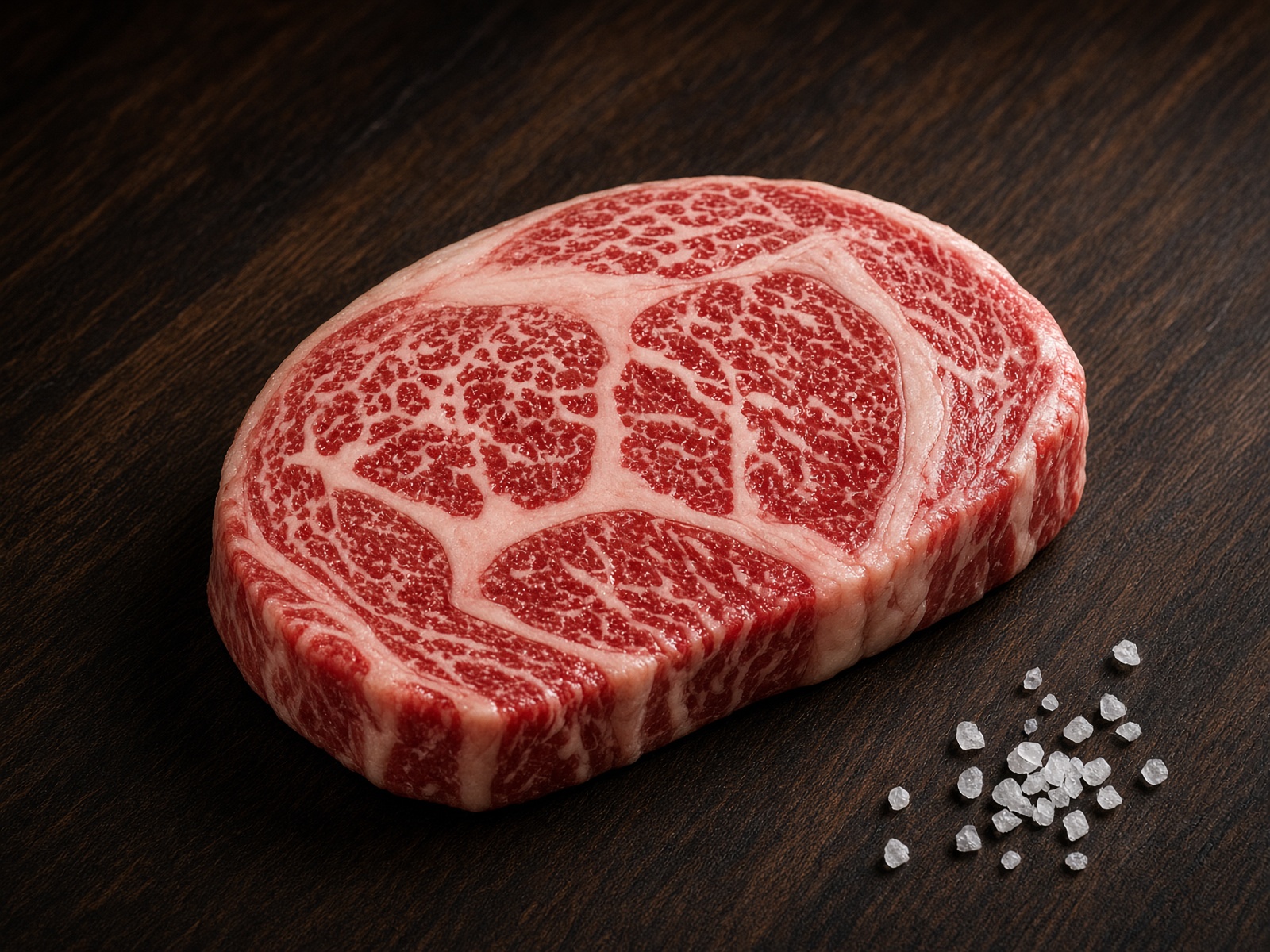
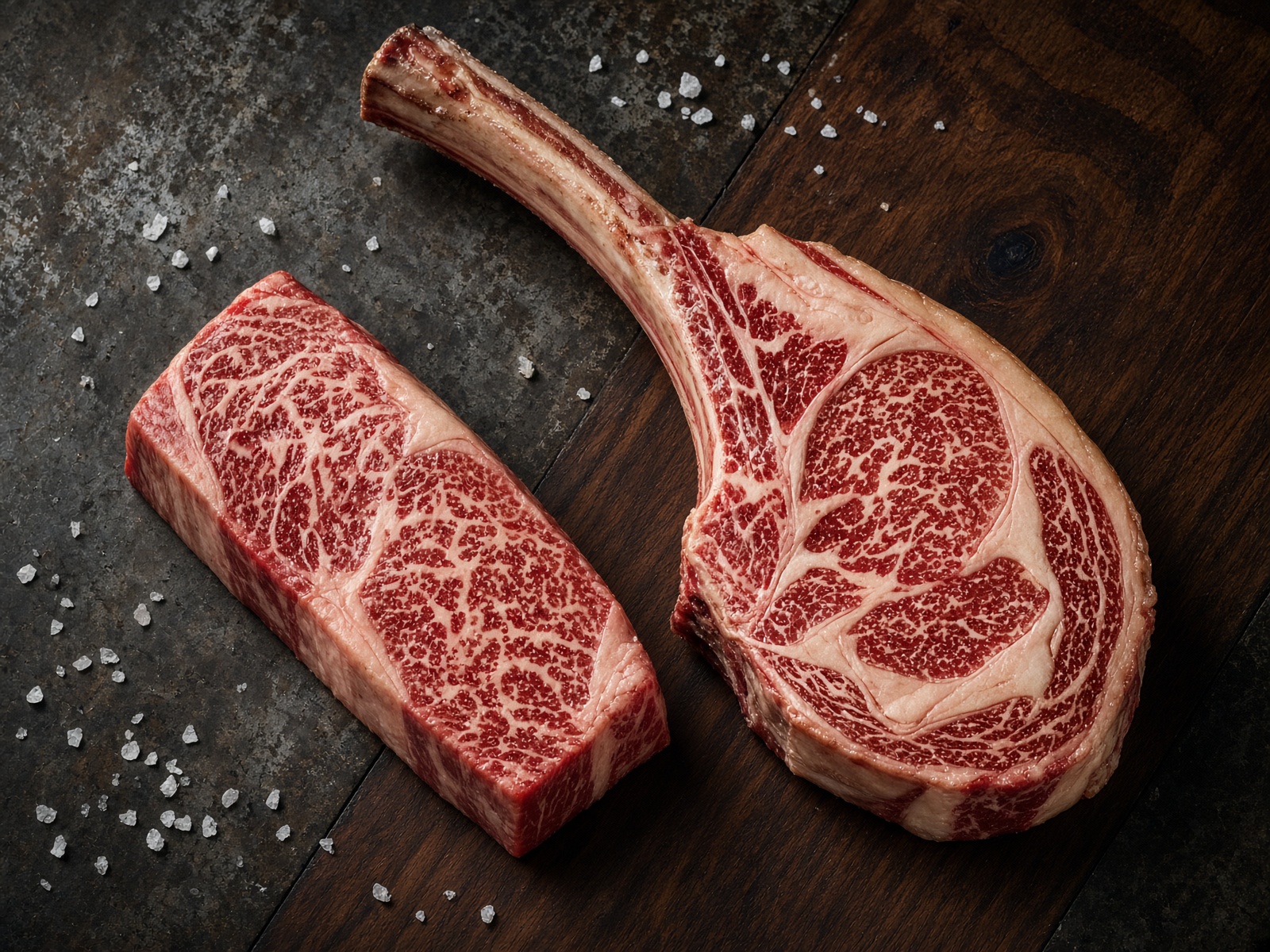
Akaushi puts intramuscular fat into the muscle instead of a thick rind. That is the snowflake you see — and the melt on the tongue.
The breed was built for consistency across climates. On this ranch it meets Bahia grass, palmetto, and a long growing season.
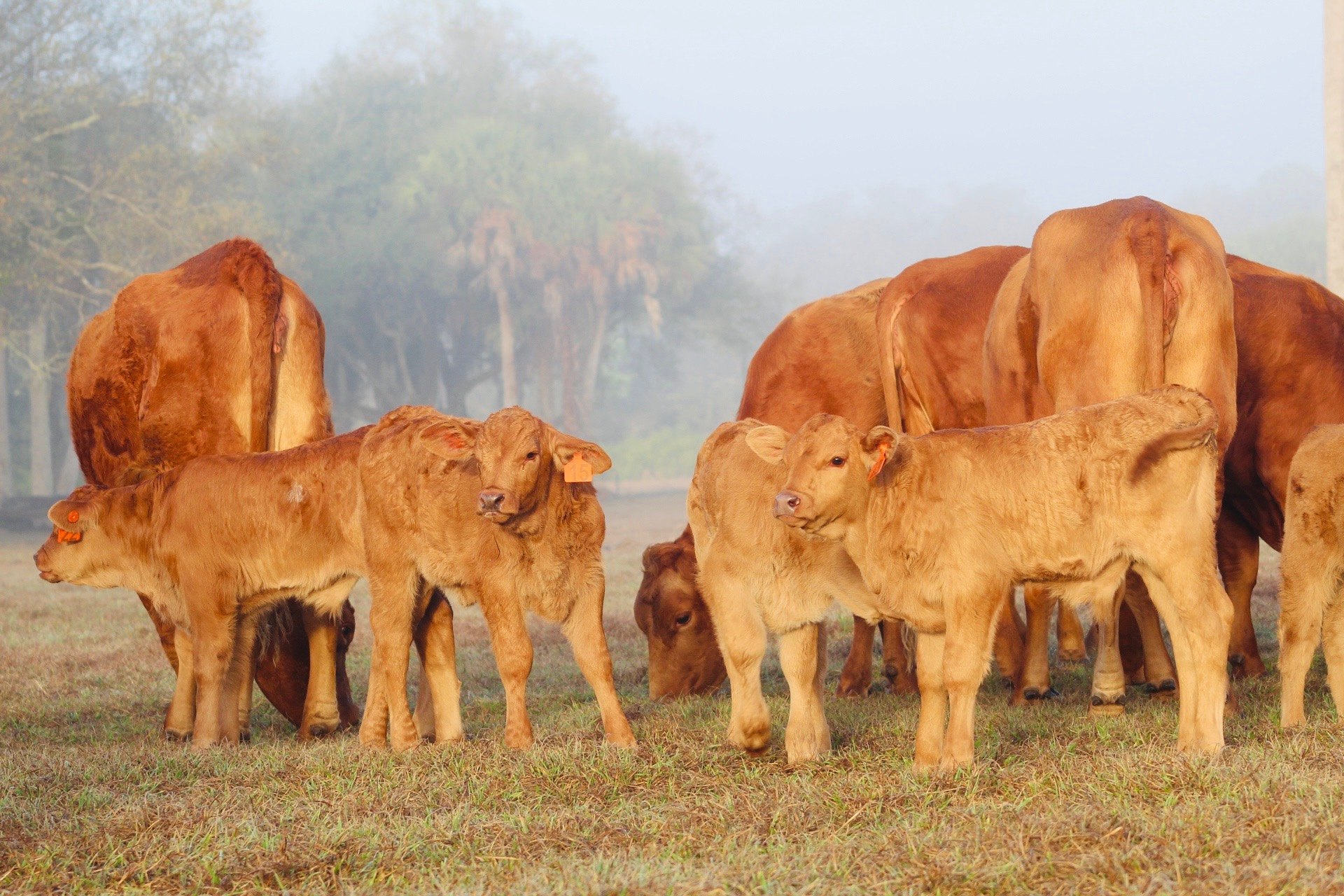
Our American Wagyu Akaushi steers are raised with room to roam — Florida grass underfoot, live oak shade, and no feedlot finish.
Ponds, creeks, and the weather of Okeechobee. Cattle drink where the land holds water, not from a pipe at the end of a concrete alley.
They graze first, on this ranch, for the whole of their lives. Free-choice feed is there when they want it — not a feedlot bunk after a long haul.
The beef
We sell beef the way a ranch should: a quarter, a side, or a whole cow, processed to your cuts. Cryovac so it eats for up to 18 months. Buy a side, and we send a freeze chest for storage.
Share
A quarter of the animal, cut how you cook. Cryovac sealed so it lives in the freezer and eats for months.
Half
Half the cow. Custom cuts, cryovac for up to 18 months, and we send a freeze chest so you have somewhere to put it.
Whole
One steer, yours. Processed to your cuts, packed in cryovac. The fullest way to eat this ranch.
Steaks, roasts, grind — you set the list. We do not force a catalog on a whole animal.
Every cut is sealed for the freezer. Packed to eat clean for up to 18 months.
Buy a side of beef and we send a freeze chest for storage. Room to put the ranch in your house.
Cuts
Smaller allocations when a quarter is more than you need. Steaks, a mixed household box, or the cuts meant for fire.
Household
A mixed seasonal allocation — steaks, a slow cut, and ranch ground — for the table that cooks every week.
Steaks
Ribeye, strip, and filet. For the cook who already knows what they want and wants it from this ranch.
Hardwood
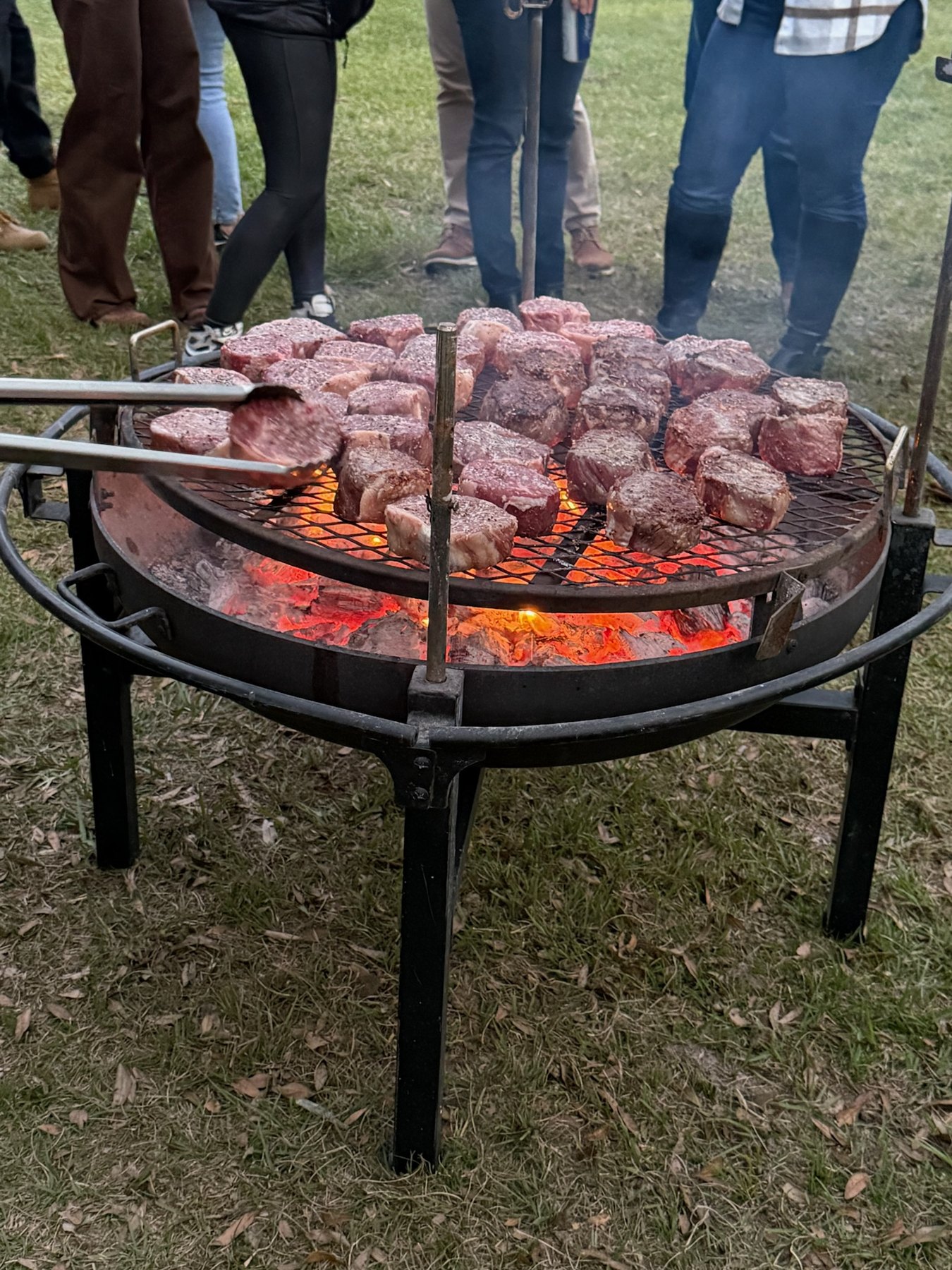
Brisket, short rib, tomahawk. Built for smoke, a Saturday, and a crowd that will talk about it.
On the plate
Akaushi is famous for tenderness — intramuscular fat leaving less room for the grain to fight you. What we care about is that it still eats like an animal that lived outside: mineral, clean, not a stick of tallow.
Salt. Heat. Rest. That is the whole method. The ranch did the rest.
Experiences
We arrange private dining in the barn and ranch visits so you can walk the pasture, see how the cattle live, and preview the Akaushi you’ll be buying — on the coals, the same night.
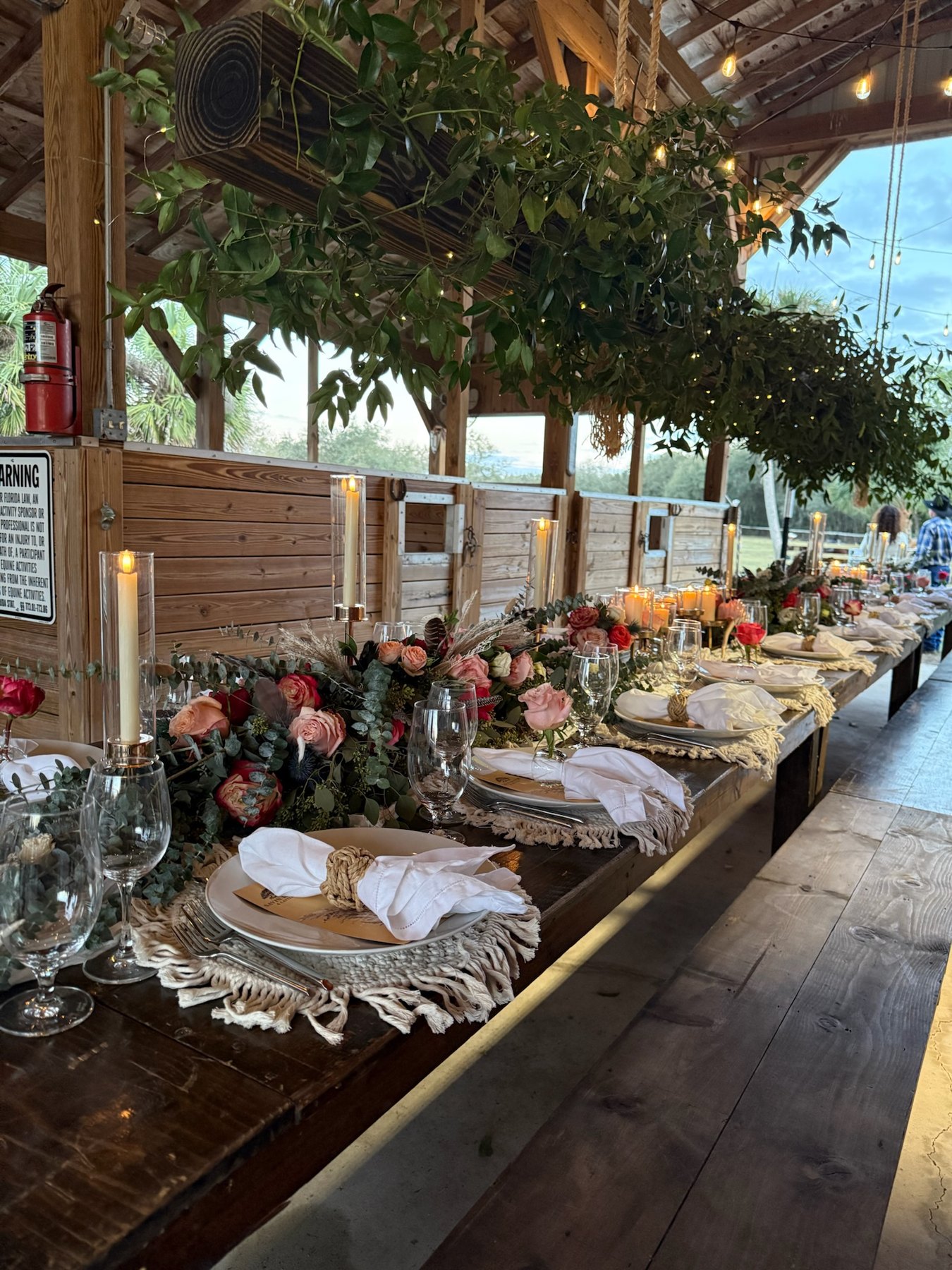
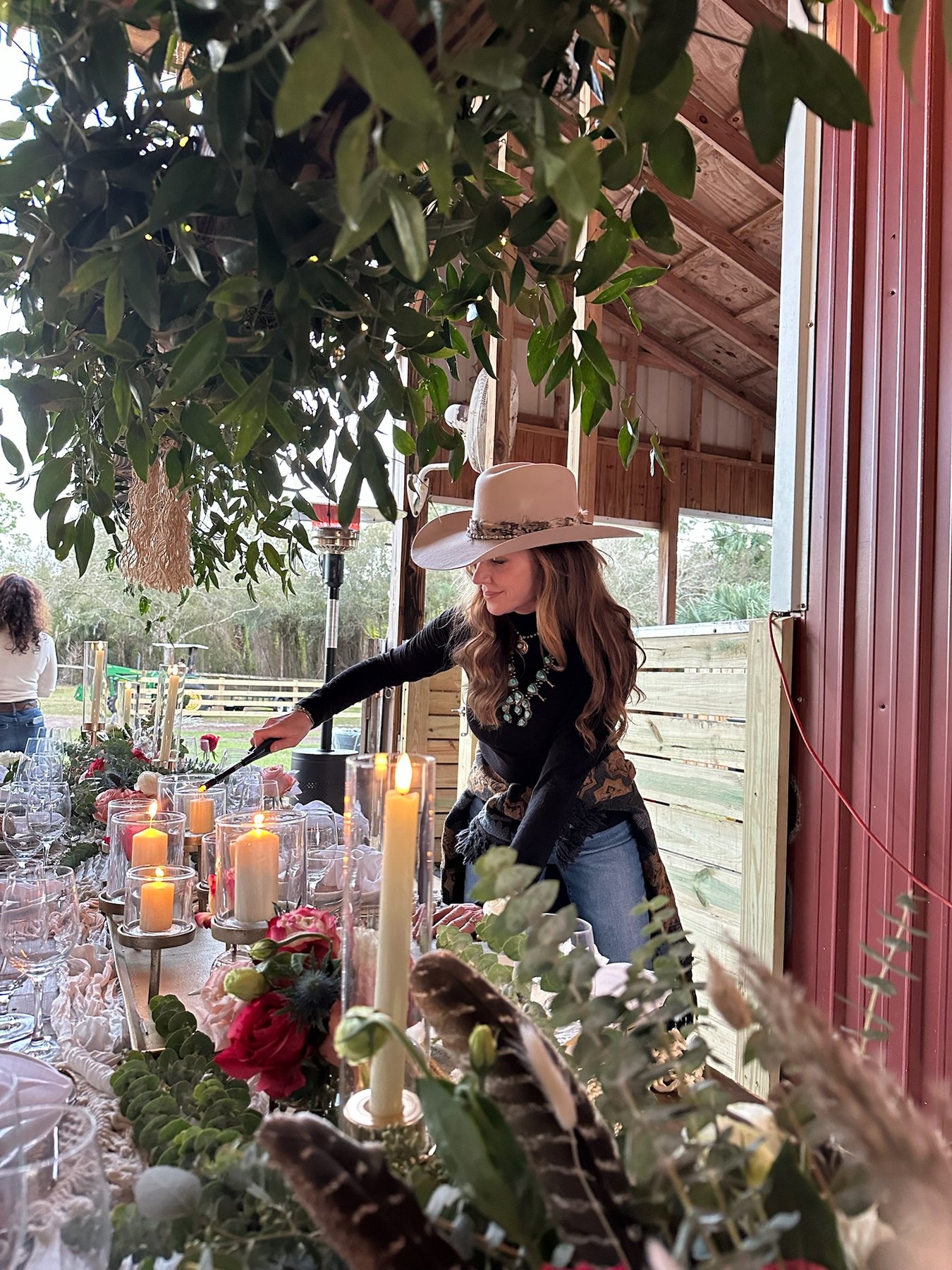
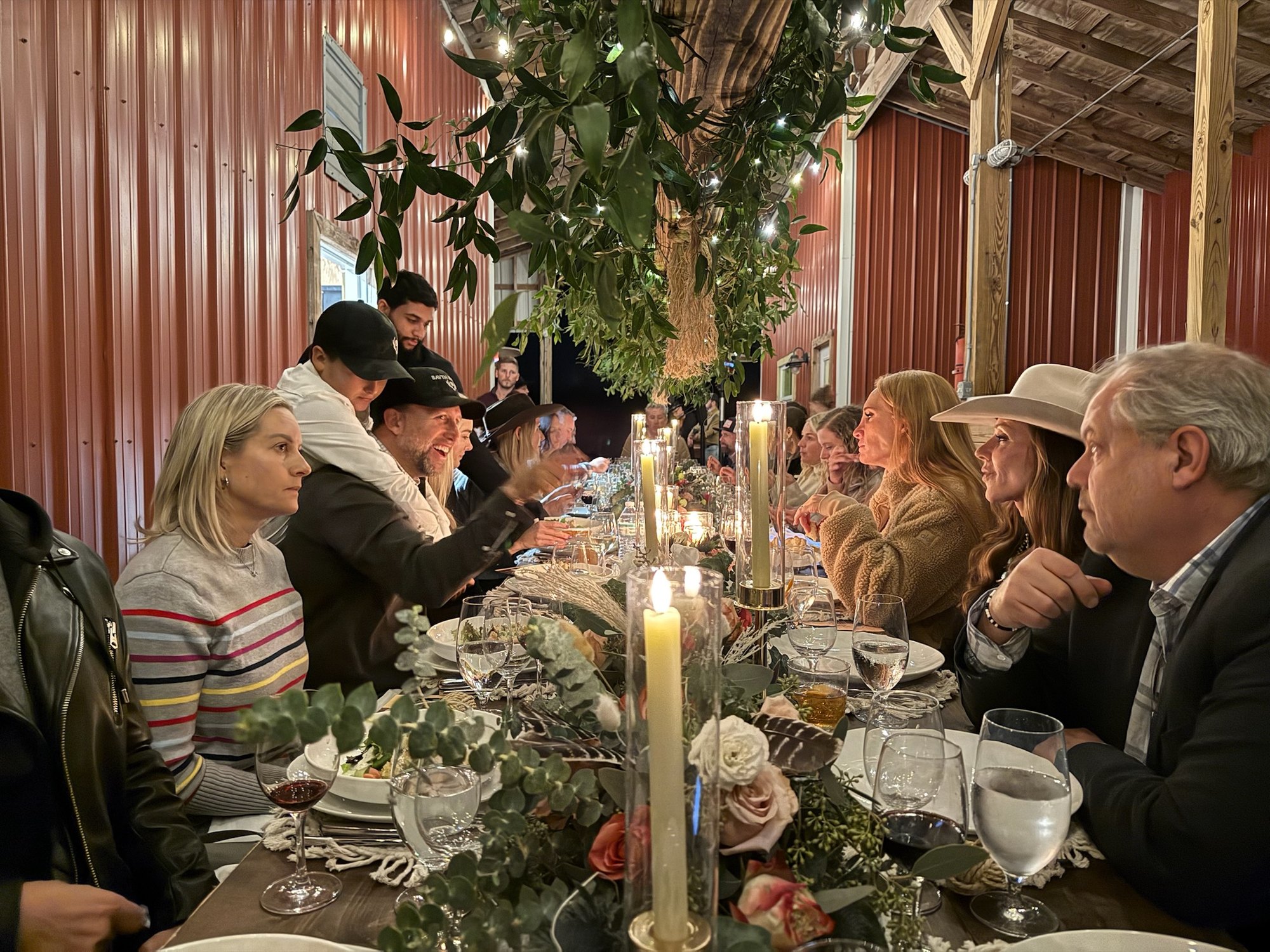
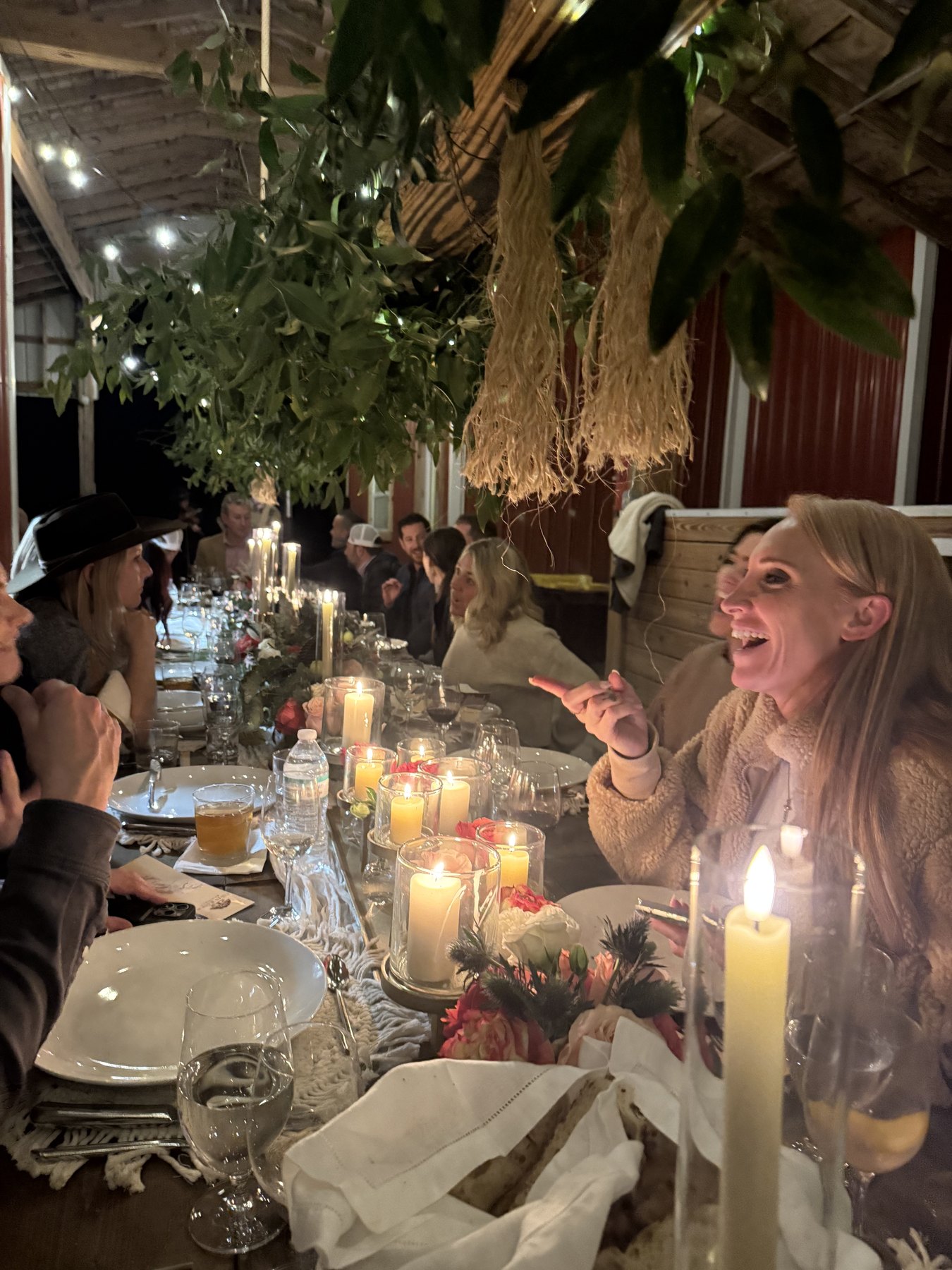
A long table in the barn. Candles, hanging green, Akaushi off the coals. We host your group — a preview of the beef, not a restaurant night.
Ecotourism with a purpose. Walk the pasture, see the herd on the grass they never leave, then sit down to the same animal you’ll request as an allocation.
Pasture to table
Allocations are limited by the herd, not by a warehouse. A quarter, a side, or the whole animal — send a DM.